


See What Vehicle Key Programming Tricks The Celebs Are Using
페이지 정보
작성자 Ramon Elwell 작성일26-03-30 04:35 조회2회 댓글0건관련링크
본문
Unlocking the Modern Vehicle: A Comprehensive Guide to Vehicle Key Programming
The automotive market has actually gone through an extreme transformation over the last three years. As soon as, a car key was a simple piece of milled metal that relied totally on mechanical precision to turn a cylinder. Today, the car key is a sophisticated electronic device-- a mini-computer that communicates with the automobile's internal network to license gain access to and engine ignition. This development has actually made car key programming a critical service in the modern-day automotive landscape.
Keeping the security of a vehicle while guaranteeing ease of access needs a deep understanding of how these electronic systems function. This guide checks out the intricacies of automobile key programming, the innovation behind it, and the numerous options available to vehicle owners.
The Evolution of Vehicle Security
In the early 1990s, automobile theft was a considerable issue for producers and insurance provider. The service was the introduction of the "immobilizer system." This system ensures that a vehicle's engine will not begin unless it recognizes a special electronic code sent out from the key.
Automobile key programming is the process of syncing a blank transponder chip inside a key or a remote fob to a particular car's Engine Control Unit (ECU). Without this handshake between the key and the car, the fuel system or ignition will stay disabled, rendering the lorry immobile even if the mechanical cut of the key matches the door locks.
Kinds Of Modern Vehicle Keys
Not all secrets are created equal. Depending on the make, design, and year of a car, the programming requirements can vary significantly.
1. Traditional Transponder Keys
These appear like basic metal keys however have a plastic head including a little transponder chip. When inserted into the ignition, an induction coil around the ignition lock powers the chip, which then sends out a signal to the car's computer.
2. Remote Head Keys
These integrate the transponder chip with remote entry buttons (lock, unlock, trunk release). The programming for these secrets frequently includes 2 steps: one for the immobilizer and one for the remote functions.
3. Keyless Entry Fobs and Smart Keys
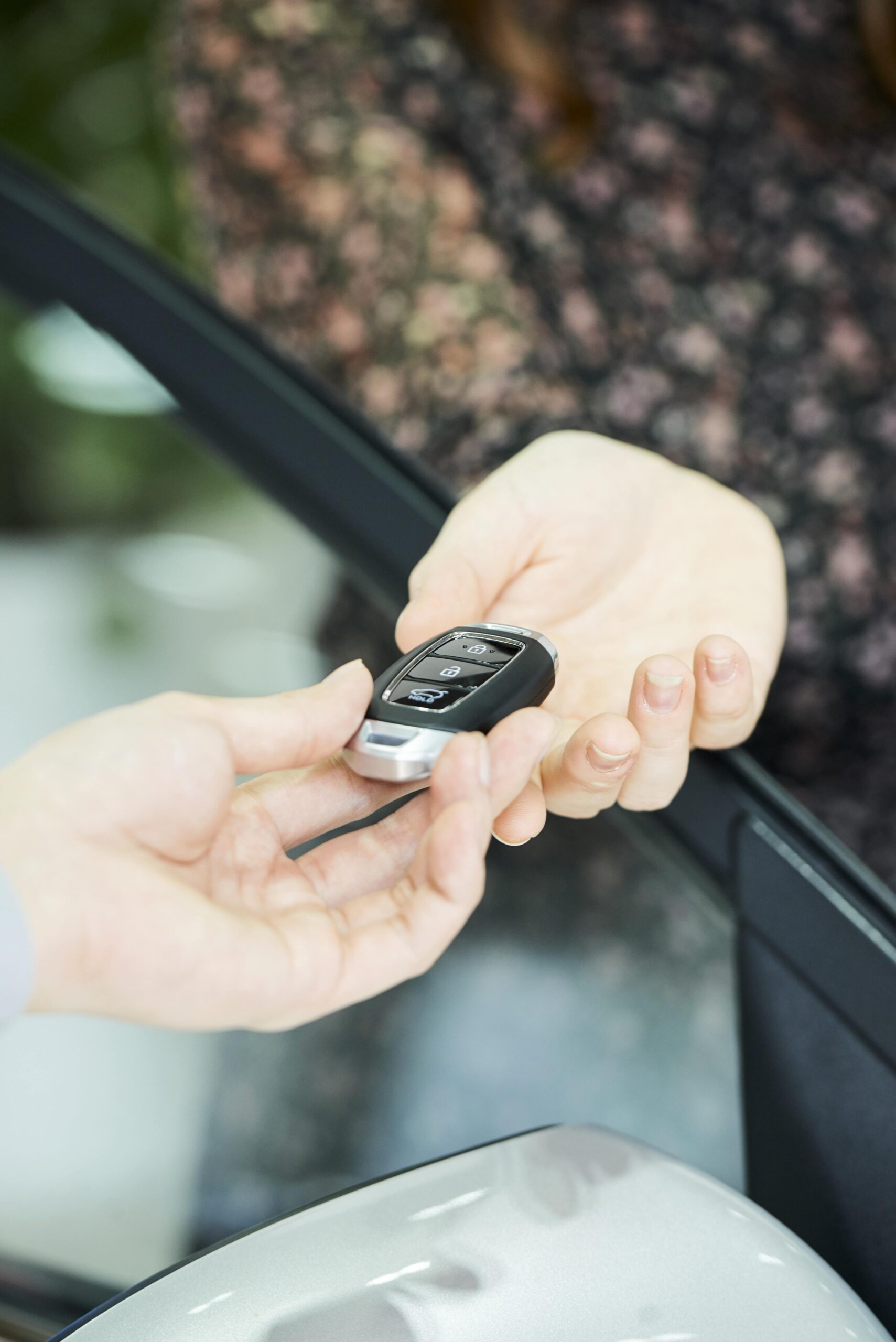
Typical in modern automobiles with push-to-start buttons, these "proximity keys" interact with the car by means of radio frequencies. The car finds the key's presence when the chauffeur neighbors, permitting for hands-free entry and ignition.
4. Flip Keys (Switchblade Keys)
These feature a mechanical key blade that folds into a remote housing. Like remote head secrets, they consist of complicated circuitry that requires specialized programming.
Key Type Comparison Table
| Key Type | Main Security Feature | Programming Complexity | Typical Use Era |
|---|---|---|---|
| Mechanical Key | Physical cuts only | None | Pre-1995 |
| Transponder Key | RFID Chip | Moderate | 1995-- Present |
| Remote Head Key | RFID + RF Remote | Moderate to High | 2000-- Present |
| Smart/Proximity Key | Rolling Code Frequency | High | 2010-- Present |
| Digital Key (App) | Encrypted Bluetooth/NFC | Very High | 2020-- Present |
How Vehicle Key Programming Works
The programming procedure is basically a "digital handshake." When an expert programs a key, they are either adding a brand-new distinct ID to the car's "licensed list" or cloning an existing ID onto a new chip.
The OBD-II Port Method
Many contemporary programming is done through the On-Board Diagnostics (OBD-II) port, situated under the control panel. A professional connects a specialized programming tool to this port to access the automobile's ECU. The tool then advises the car to enter "finding out mode," enabling it to accept the signal from the brand-new key.
EEPROM Programming
In some high-security vehicles (particularly European brand names like BMW, Mercedes-Benz, or Audi), the standard OBD-II method may not suffice. In these cases, service technicians must carry out EEPROM (Electrically Erasable Programmable Read-Only Memory) programming. This includes eliminating a specific module from the car, checking out the data directly from the circuit board chip, and composing the key details into the memory.

On-Board Programming (OBP)
Certain older domestic models allow for a manual programming sequence. This may include a particular pattern of turning the ignition on and off, opening doors, or pushing buttons in a particular order. However, makers are moving away from this approach to improve security.
The Role of the Automotive Locksmith vs. The Dealership
When a motorist loses a key or requires a spare, they typically have two choices: a car dealership or a specialized automobile locksmith professional.
The Dealership Experience
Car dealerships have direct access to maker databases and proprietary software. While this makes sure a high level of accuracy, it often includes a premium cost and the requirement that the car be towed to their place.
The Automotive Locksmith Experience
Modern locksmith professionals use sophisticated aftermarket tools that can set keys for a wide variety of makes and models. They are typically mobile, implying they can pertain to the stranded driver's place, conserving on pulling expenses.
Comparison: Service Providers
| Function | Dealership | Automotive Locksmith | Do it yourself Programming |
|---|---|---|---|
| Cost | High | Moderate | Low |
| Convenience | Low (Requires towing) | High (Mobile service) | High (At home) |
| Equipment | OEM Proprietary | Multi-brand Diagnostic Tools | Basic OBD Dongles (Limited) |
| Success Rate | 100% (for their brand name) | Very High | Variable |
| Wait Time | Hours to Days | Usually <<1 Hour Variable Why Professional Programming |
is Essential While some"universal "key sets are sold
online for DIY enthusiasts, professional programming is generally advised for numerous reasons: Security Risk: Incorrectly attempting to program a key can often
trigger a "lock-out"mode, where the vehicle Key Programming's ECU closes down totally as a theft-prevention step. Specialized Hardware: Many modern-day keys use "rolling codes."This suggests the code changes each time the button is pressed. Programming these requires professional-grade hardware to make sure the key and car stay in sync. Cutting Precision: Most modern-day secrets are "laser-cut" or"sidewinder"secrets, which require a high-precision CNC milling machine that basic hardware shops do not possess. Diagnostic Capabilities: A professional can identify why a key quit working. Often the concern isn't the key, however a faulty antenna(immobilizer coil )in the guiding column.Elements That Influence Programming Costs Several variables determine the price of programming a new vehicle key: Vehicle Make and Model: Luxury brand names typically have actually encrypted systems that need more expensive software applicationto bypass. Availability of an Original Key
: It is substantially less expensive to replicate a key if an existing"master key"is
present. If all secrets are lost, the professional needs to"flash"the system, which is more labor-intensive.Key Technology: A basic transponder key is much more affordable than a smart proximity fob with remote start capabilities. Geography: Labor rates for automobile specialists vary by region and the time of day (emergency after-hoursservices cost more). Common Troubleshooting Tips Keys can stop working for different factors. Before looking for a full replacement, consider these points: Battery Replacement: Smart secrets and remotes rely on little coin-cell batteries(like the CR2032). If the remote doesn't work but the car starts when the fob is held versus the start button, it is likely simply a dead battery. Signal Interference: Large metal things or high-frequency electronic devices near thekey can sometimes block the signal. System Resets: Sometimes, a car's computer system may "forget" a key throughout a deep battery drain. Re-syncing might be needed. Frequently Asked Questions( FAQ)1. Can I configure a car key myself?This depends upon the vehicle. Some older Ford, GM, and Chrysler designs enable on-board programming if you have 2 existing working secrets. However, for a lot of modern automobiles(2010+), specialized diagnostic equipment is required. 2. For how long does it take to configure a key? For the most part, theprogramming itself takes between 15 to 30 minutes. However, if the locksmith requires to
stem a key (when all secrets are lost )or perform EEPROM work, it can take an hour or more. 3. What details do I need to provide the developer? The service technician will need the car's Year, Make, and Model, the Vehicle Identification Number(
VIN ), and evidence of ownership (Registration or Title)in addition to a valid ID. 4. Can a"utilized "key from another car be reprogrammed? Typically, no. Many transponder chips and clever secrets are"locked" to a vehicle when set. While some specific types can be" opened
"utilizing specialized tools, it is usually more economical to purchase a
brand-new, virgin key. 5. Does insurance coverage cover key programming? Some thorough insurance plan or roadside help programs (like AAA) offer "Key Replacement
" riders that cover part or all of the expense of a brand-new key and programming. Car key programming is a best example of how innovation has actually enhanced our every day lives while including layers of complexity. While the days of getting an extra key cut for a few dollars at a hardware store are mostly gone, the sophisticated systems that replaced them supply unprecedented security. Whether a chauffeur is aiming to add a spare key for comfort or is facing an" all secrets lost "emergency situation, comprehending the tools, costs, and procedures included
is important for any modern-day vehicle owner. Getting professional service ensures that the lorry stays protected, functional, and prepared for the road.
댓글목록
등록된 댓글이 없습니다.
 - 계좌정보