


10 Things That Your Family Taught You About Replacement Soffit Boards
페이지 정보
작성자 Anke 작성일26-03-30 05:51 조회2회 댓글0건관련링크
본문
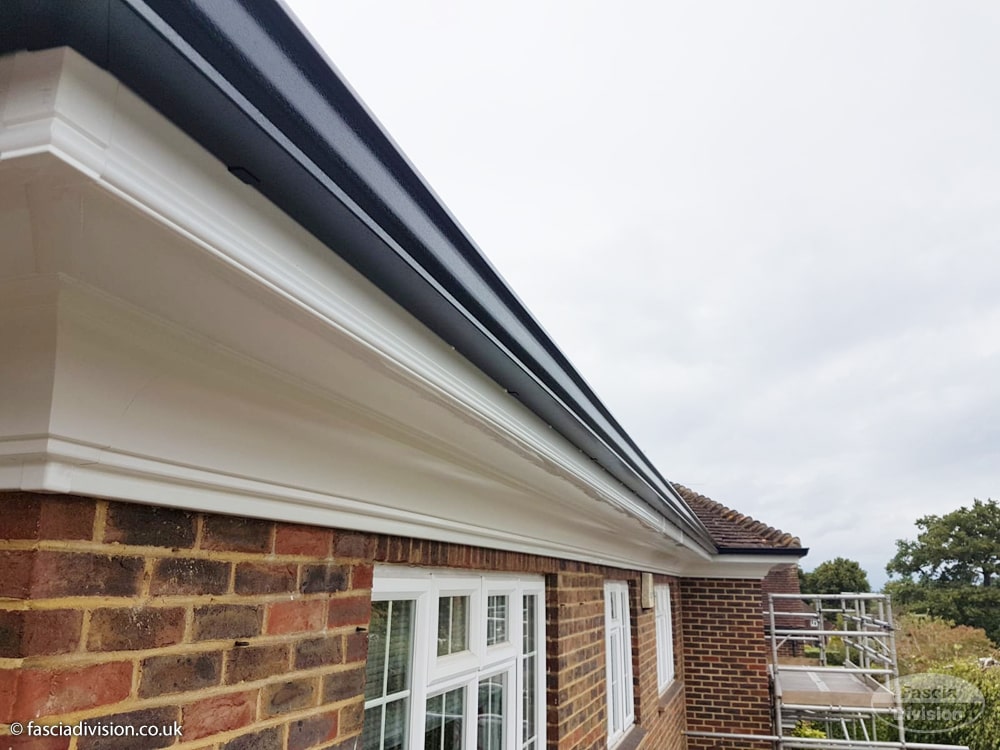
Understanding Replacement Soffit Boards: Why, When, and How to Replace Them
Soffit boards might seem like an afterthought in the grand style of a home, but they play a crucial role in securing your property from the components. Over time, wear and tear can trigger these boards to become damaged, requiring replacements. In this blog site post, we will delve into the significance of soffit boards, how to determine when they need replacement, and the steps involved in replacing them.
What Are Soffit Boards?
Soffit boards are situated underneath the eaves of a roof, linking the roof to the walls of a home. They are frequently made of wood, aluminum, or vinyl and serve multiple purposes:
- Ventilation: Soffit boards with vents assist regulate air flow in the attic, avoiding moisture accumulation and decreasing the threat of mold and mildew.
- Defense: They protect the rafters from direct exposure to the components, thus extending the life-span of the roofing system structure.
- Visual Appeal: Soffits contribute to the overall visual of the home, offering a finished aim to the eaves.
Table 1: Common Materials for Soffit Boards
| Material | Benefits | Downsides |
|---|---|---|
| Wood | Natural look, easy to paint | Prone to rot and insects |
| Aluminum | Durable, low maintenance | Can damage, minimal colors |
| Vinyl | Weather-resistant, no painting | Fading gradually, less rigid |
Indications You Need to Replace Your Soffit Boards
While soffit boards are created to last, they are not immune to damage. Here are some signs that suggest it's time for a replacement:
- Visible Damage: Look for fractures, holes, or sagging locations. These concerns can compromise ventilation and security.
- Water Damage: Stains or discoloration can suggest moisture invasion, which may lead to mold development.
- Insect Infestation: If you notice wasps or other bugs nesting in or around the soffit, it could be a sign of structural weak point or damage.
- Fading and Weathering: A faded or tarnished look might suggest that the product is breaking down and might need replacement.
- Increased Energy Bills: Poorly ventilated attics can cause increased energy expenses, as they force your HVAC system to work harder.
Table 2: Signs of Damage to Look For
| Sign | Description |
|---|---|
| Cracks and Holes | Noticeable openings in the soffit boards |
| Water Stains | Brown or yellowish marks on the boards |
| Drooping | Boards that appear to sag or hang low |
| Insect Presence | Bugs or nests near or inside the soffits |
| Color Fading | Noteworthy loss of color or texture |
Actions to Replace Soffit Boards
Changing soffit boards might appear difficult, Fascia And Soffit Company) however it can be achieved with some standard tools and a little know-how. Below is a detailed guide on how to perform the replacement.
Tools and Materials Needed
- Replacement soffit boards (product of your choice)
- Measuring tape
- Saw
- Hammer or screwdriver
- Nails or screws
- Safety goggles and gloves
- Ladder
Step-by-Step Process
Check and Measure: Before buying replacement materials, determine the existing soffit boards to ensure you buy the ideal size. Examine the location for any extra damage to underlying structures.
Eliminate Old Upvc Soffit Boards: Carefully take down the harmed soffit boards. Use a saw or a crowbar to get rid of nails or screws holding the boards in place.
Prepare the Area: Clean the area and inspect the condition of the rafters and fascia. Remove any debris or indications of pest invasion.
Cut New Boards: Using the measurements taken, cut the brand-new soffit boards to the appropriate lengths. If using wood, consider applying a weatherproof sealant.
Install New Boards: Position the brand-new boards and protect them in location with nails or screws. Ensure they fit snugly against the existing structure to prevent gaps.
Seal and Paint (if appropriate): If you selected wood, apply paint or sealant to protect against the aspects. Make sure proper ventilation if the boards are vented.
Table 3: Pros and Cons of DIY vs. Professional Installation
| Installation Type | Pros | Cons |
|---|---|---|
| DO IT YOURSELF | Cost-efficient, control over the task | Threat of improper installation |
| Professional | Competence and experience | Higher expenses, less control over products |
Frequently Asked Questions About Soffit Board Replacement
1. How typically should soffit boards be changed?
There's no definitive timeline for changing soffit boards, as it depends on the material and ecological elements. Regular evaluations every few years can assist identify problems early.
2. Can I use a different product than what was initially installed?
Yes, you can change the initial material with another type, however think about factors such as durability, Roofline Maintenance, and aesthetic consistency with your home.
3. Is changing soffit boards a DIY job?
Yes, if you have standard woodworking skills and tools, you can replace soffit boards yourself. However, seek advice from a professional if you are unsure or if other structural Roofline Repairs are needed.
4. What are the signs of wetness problems in soffit boards?
Signs include water stains, mold development, and a moldy smell. If you notice these signs, it's essential to assess the condition of both the soffit and the underlying rafters.
Replacement Soffit Boards (https://pizzacongo4.werite.net/) are an important part of maintaining your home's visual and structural stability. Regular examinations and prompt replacements can assist prevent additional damage and preserve an aerated attic space. Whether selecting a DIY approach or working with a professional, understanding soffit boards and their significance permits property owners to make informed choices about their upkeep.
댓글목록
등록된 댓글이 없습니다.
 - 계좌정보